- Home
- About Us
- Pricing
- Features
- Tytron $TYTR Token Whitepaper
- Tytron $TYTR Token Live Chart
- Buy Tytron $TYTR Token
- eBooks
- Affiliate Program
- Subscribe
- Recommended VPN
- NordVPN 75% Discount
- Originality.Ai Free Trial
- Blogs
- Frequently Asked Questions
- No Hidden Fees
- Disclaimer
- Privacy Policy
- Terms and Conditions
- Data Processing Agreement (DPA)
- Refund & Cancellation Policy
- Contact Us
Blockchain in CRM: Debunking Myths and Exploring Real-World Applications
Blockchain technology, once synonymous with cryptocurrencies, is now making waves in various industries, including Customer Relationship Management (CRM). However, misconceptions about its applications and benefits persist. In this post, we’ll debunk some common myths and explore how blockchain can enhance CRM systems.
Myth: Blockchain is Only for Cryptocurrencies
One pervasive myth is that blockchain's sole purpose is to support cryptocurrencies like Bitcoin. While it's true that blockchain underpins these digital currencies, its decentralized and secure nature offers numerous other applications. In CRM, blockchain can provide unprecedented transparency and security in customer data management.
Blockchain ensures that customer data is tamper-proof and easily verifiable by storing it in a distributed ledger. This not only protects sensitive information but also builds trust between businesses and their clients.

Myth: Blockchain is Too Complex for CRM
Another common belief is that blockchain is too complicated to integrate with existing CRM systems. While the technology itself is intricate, its implementation in CRM doesn’t have to be daunting. Many CRM providers are developing user-friendly interfaces that make blockchain integration seamless.
By using blockchain, companies can streamline their customer data processes, ensuring that information is consistent across all platforms. This reduces errors and enhances the overall customer experience.
Real-World Application: Enhanced Data Privacy
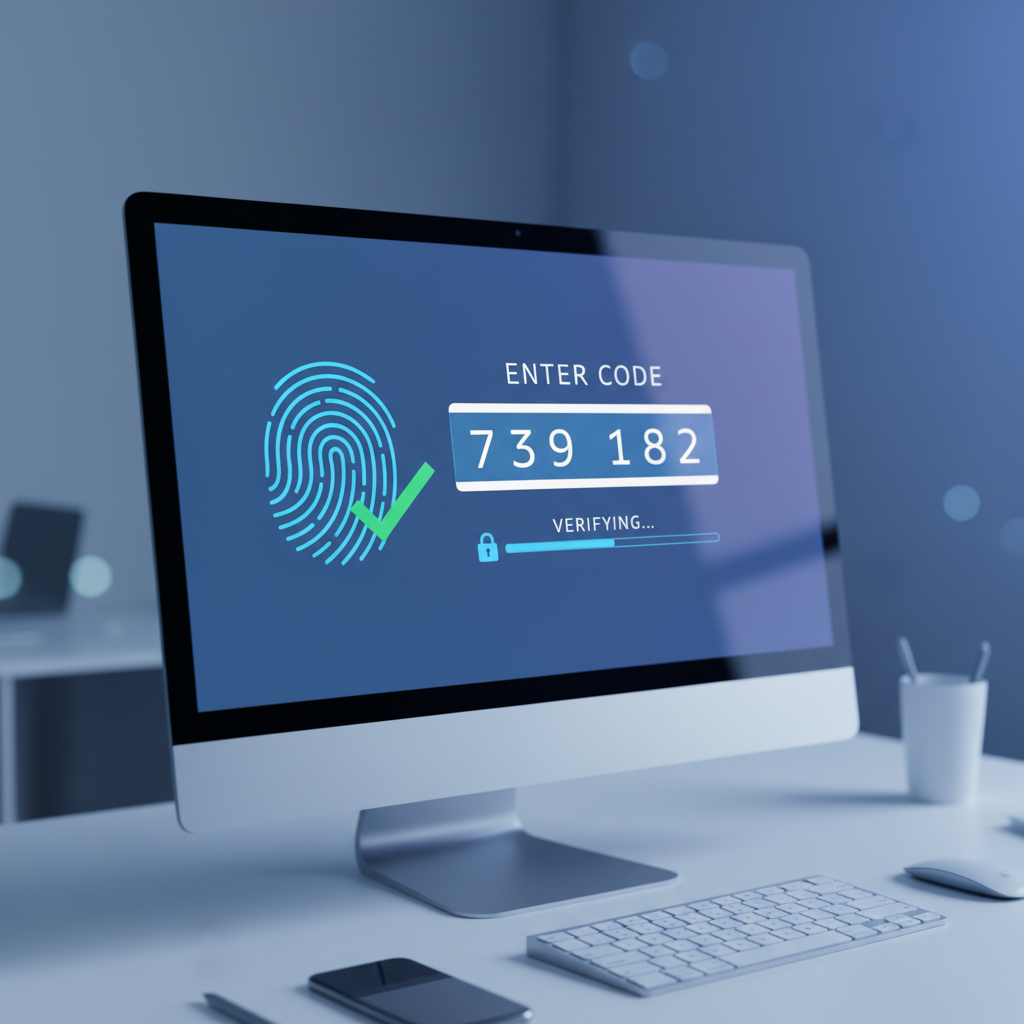
One of the most significant benefits of blockchain in CRM is enhanced data privacy. With data breaches becoming more frequent, businesses need to ensure that customer information is secure. Blockchain’s decentralized nature makes it nearly impossible for hackers to alter data without detection.
Real-World Application: Improved Customer Trust
In today’s digital age, customers are increasingly concerned about how their data is used. Blockchain can address these concerns by providing transparent data records that customers can access at any time. This transparency fosters trust, as customers know their data is handled responsibly.
Moreover, blockchain can help verify the authenticity of customer interactions, ensuring that all communication is genuine and not altered by third parties.
Myth: Blockchain in CRM is Just a Fad
Some skeptics argue that blockchain in CRM is merely a passing trend. However, as data security and customer trust become essential business priorities, blockchain’s role in CRM is likely to grow. More companies are recognizing its potential to revolutionize how they manage customer relationships.
Real-World Application: Streamlined Loyalty Programs
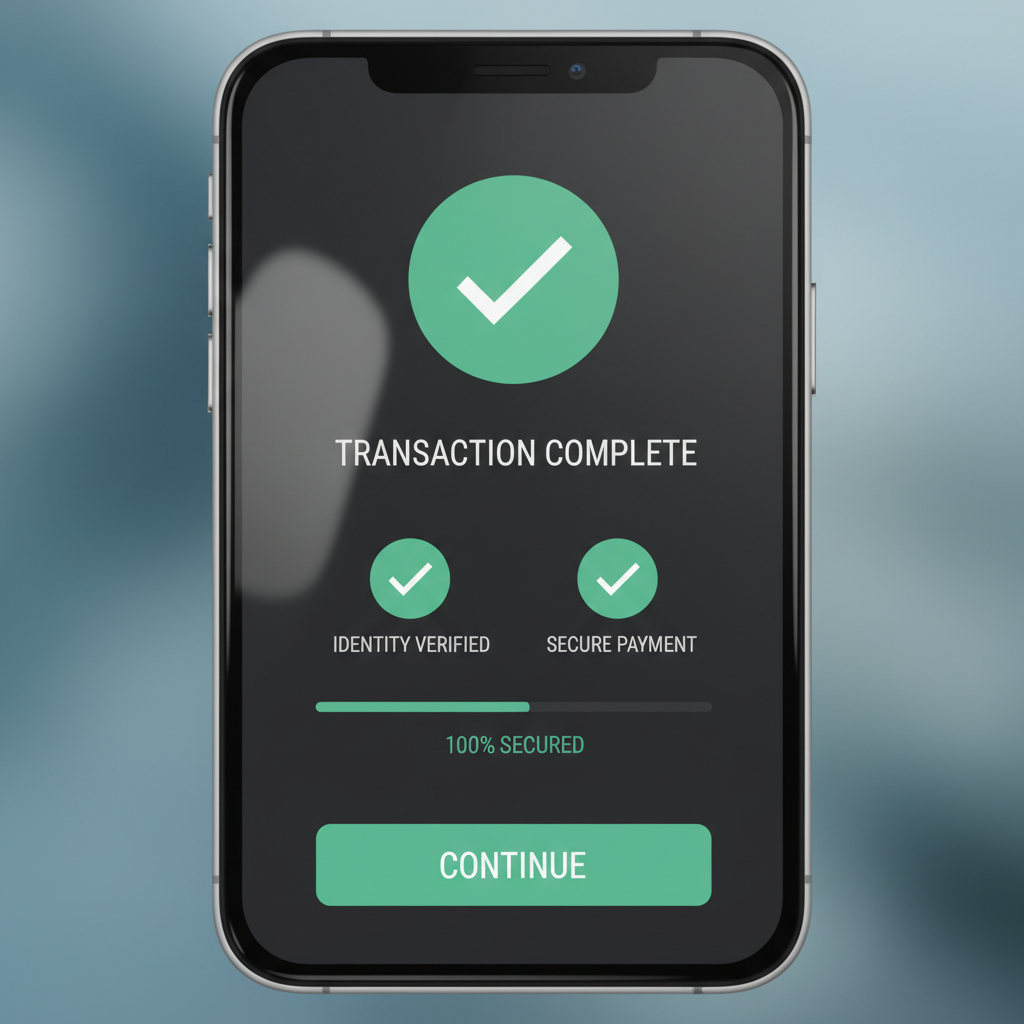
Blockchain can also transform loyalty programs by creating a unified and transparent system for tracking rewards. This ensures that customers receive accurate rewards and can redeem them effortlessly. The decentralized nature of blockchain means loyalty points are secure and not prone to unauthorized alterations.
In conclusion, blockchain in CRM offers a wealth of opportunities to improve data security, transparency, and customer trust. By moving beyond the myths, businesses can harness this innovative technology to enhance their CRM systems and foster stronger customer relationships.
Interested In Crypto Investing?
Learn about Market Tycoon's crypto Tytron (symbol: TYTR) here.