- Home
- About Us
- Pricing
- Features
- Tytron $TYTR Token Whitepaper
- Tytron $TYTR Token Live Chart
- Buy Tytron $TYTR Token
- eBooks
- Affiliate Program
- Subscribe
- Recommended VPN
- NordVPN 75% Discount
- Originality.Ai Free Trial
- Blogs
- Frequently Asked Questions
- No Hidden Fees
- Disclaimer
- Privacy Policy
- Terms and Conditions
- Data Processing Agreement (DPA)
- Refund & Cancellation Policy
- Contact Us
Common Misconceptions About CRM Systems: Debunking Myths with The Market Tycoon
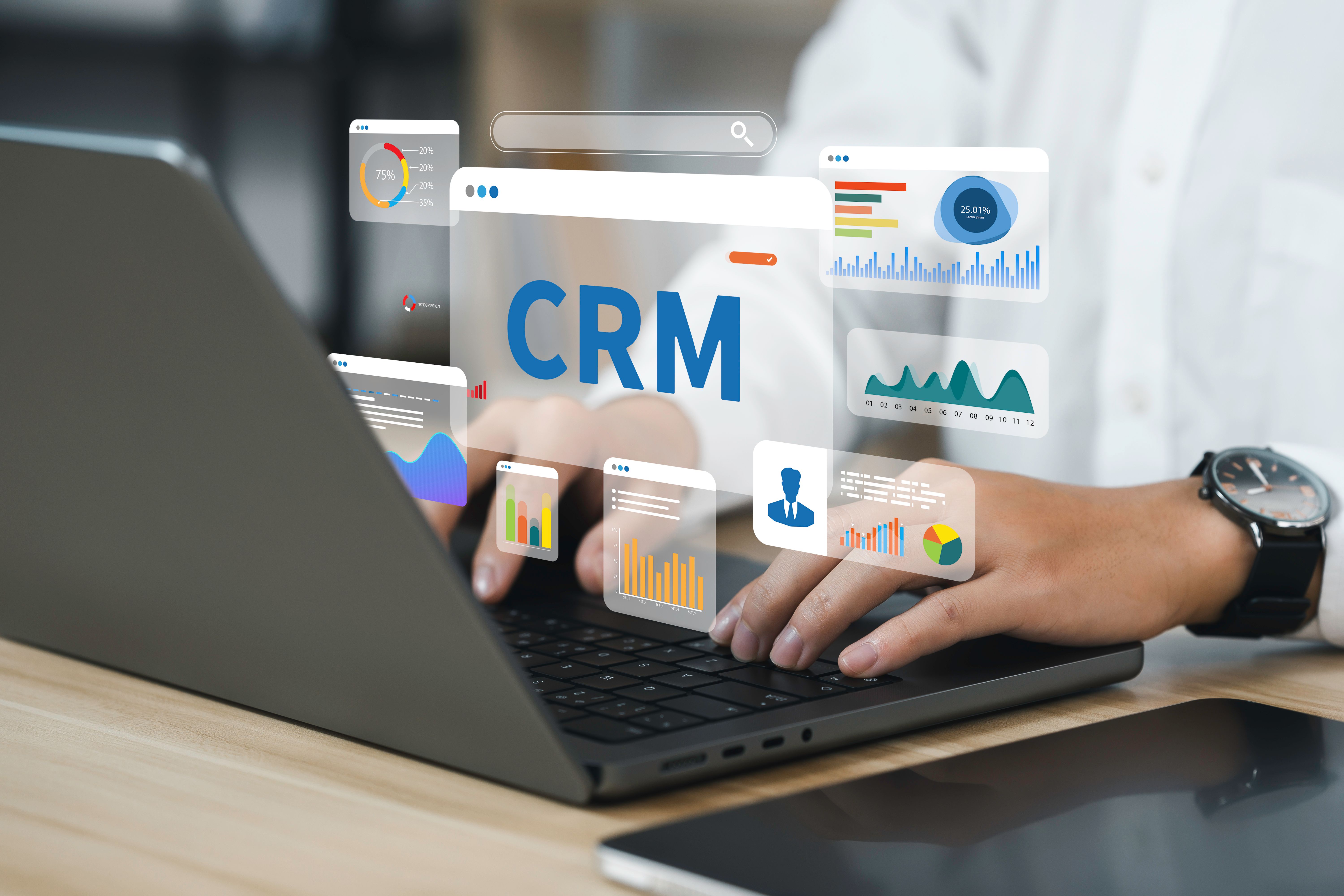
Customer Relationship Management (CRM) systems have become essential tools for businesses aiming to enhance customer interactions and streamline operations. However, several misconceptions often deter companies from leveraging these powerful tools to their full potential. In collaboration with The Market Tycoon, we'll debunk some of the most common myths surrounding CRM systems.
Myth 1: CRM Systems Are Only for Large Businesses
Many believe that CRM systems are designed exclusively for large enterprises with massive customer bases. This misconception stems from the early days of CRM, when systems were complex and costly. Today, CRM solutions are scalable and affordable, making them accessible for businesses of all sizes, including small and medium enterprises.
Modern CRMs offer customizable features that cater to the specific needs of smaller businesses. These systems provide essential functions such as contact management, sales tracking, and customer service support, which are crucial for companies looking to grow and maintain strong customer relationships.
Myth 2: CRMs Are Too Complicated to Implement
Another common myth is that CRM systems are difficult to implement and require extensive technical expertise. While CRMs can be complex, many providers offer user-friendly interfaces and comprehensive support to simplify the implementation process.

Additionally, cloud-based CRMs have significantly reduced the need for on-site installations and IT infrastructure. These solutions allow businesses to get up and running quickly, often with just an internet connection and basic training for staff.
Myth 3: CRMs Are Only for Sales Teams
While CRM systems are invaluable for sales teams, their functionality extends far beyond sales alone. CRMs are designed to support various departments, including marketing, customer service, and operations, providing a holistic view of customer interactions across the organization.
By integrating CRM systems into multiple departments, businesses can ensure consistency in customer communications and improve overall efficiency. This cross-departmental approach helps in building stronger relationships and enhancing customer satisfaction.

Myth 4: CRMs Are an Unnecessary Expense
Some businesses perceive CRM systems as an unnecessary expense, believing that traditional methods of customer management are sufficient. However, CRMs offer significant value by automating routine tasks, improving data accuracy, and providing insights that drive strategic decision-making.
With a CRM, businesses can track customer interactions and preferences more effectively, leading to improved customer retention and increased sales opportunities. The return on investment for CRM systems often outweighs the initial costs, making them a smart investment for future growth.
Conclusion: Embrace the Benefits of CRM Systems
Debunking these myths reveals that CRM systems are versatile, accessible, and beneficial for businesses of all sizes. By adopting a CRM, companies can enhance their customer relationships, streamline operations, and drive growth. The Market Tycoon encourages businesses to explore CRM solutions and harness their full potential to stay competitive in today's dynamic market.