
- Home
- About Us
- Pricing
- Features
- Tytron $TYTR Token Whitepaper
- Tytron $TYTR Token Live Chart
- Buy Tytron $TYTR Token
- eBooks
- Affiliate Program
- Subscribe
- Recommended VPN
- NordVPN 75% Discount
- Originality.Ai Free Trial
- Blogs
- Frequently Asked Questions
- No Hidden Fees
- Disclaimer
- Privacy Policy
- Terms and Conditions
- Data Processing Agreement (DPA)
- Refund & Cancellation Policy
- Contact Us
Preventing Common Mistakes in Crypto Wallet Management
Understanding Crypto Wallets
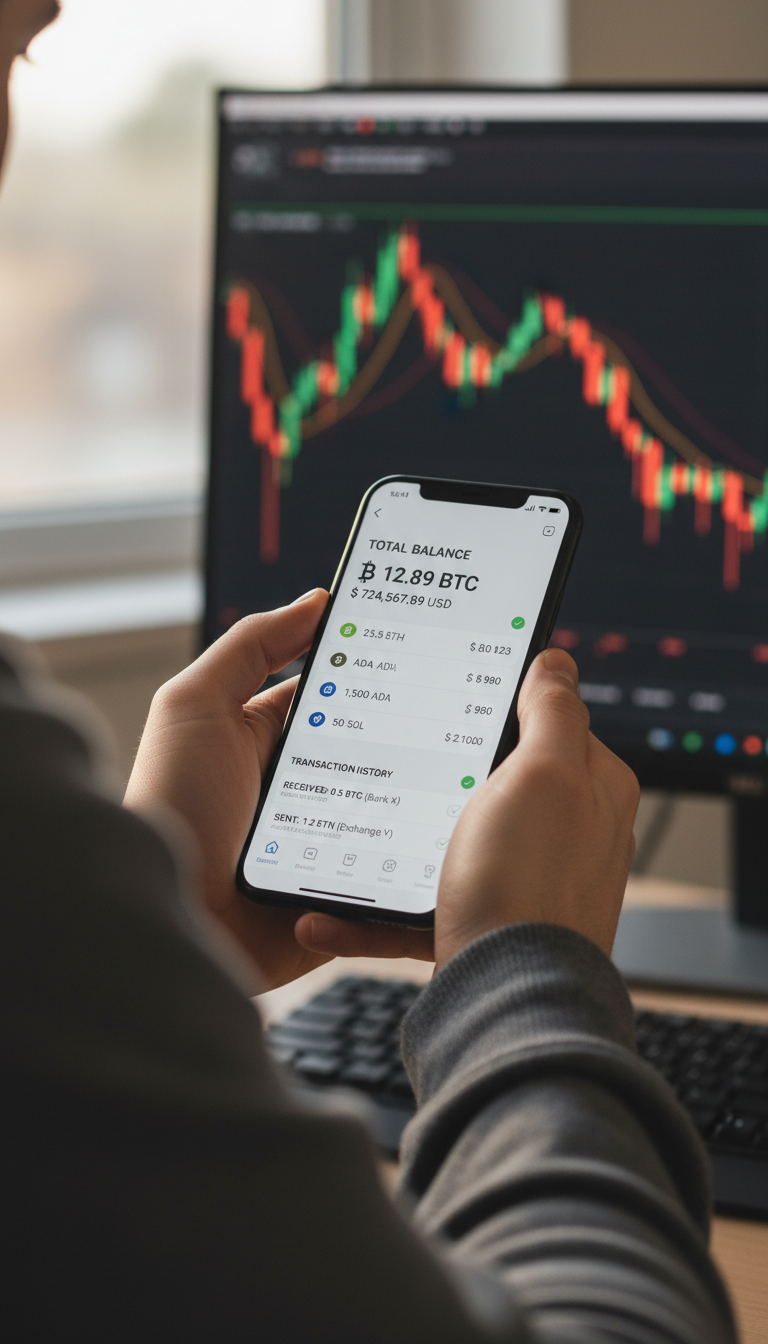
Crypto wallets are essential tools for managing and storing digital assets securely. They come in various forms, including hardware, software, and online options. Understanding how each type works is crucial in selecting the right one for your needs. A well-chosen wallet ensures that your assets are safe while providing easy access when needed.
Common Mistakes to Avoid
1. Ignoring Security Protocols
One of the biggest mistakes is neglecting security measures. Always enable two-factor authentication (2FA) to add an extra layer of protection. Use strong, unique passwords and change them regularly. Keep your software updated to protect against vulnerabilities.
2. Losing Private Keys
Your private key is the gateway to your assets. Losing it means losing access to your funds permanently. Store your private keys in a secure location, such as a hardware wallet or a safe deposit box. Consider creating multiple backups and storing them in different secure places.

3. Falling for Phishing Scams
Phishing scams are prevalent and can lead to significant losses. Be cautious of emails or messages that ask for your private information. Always verify the source before clicking on any links. Legitimate companies will never ask for your private keys or passwords.
Ensuring Proper Wallet Management
1. Regularly Monitor Transactions
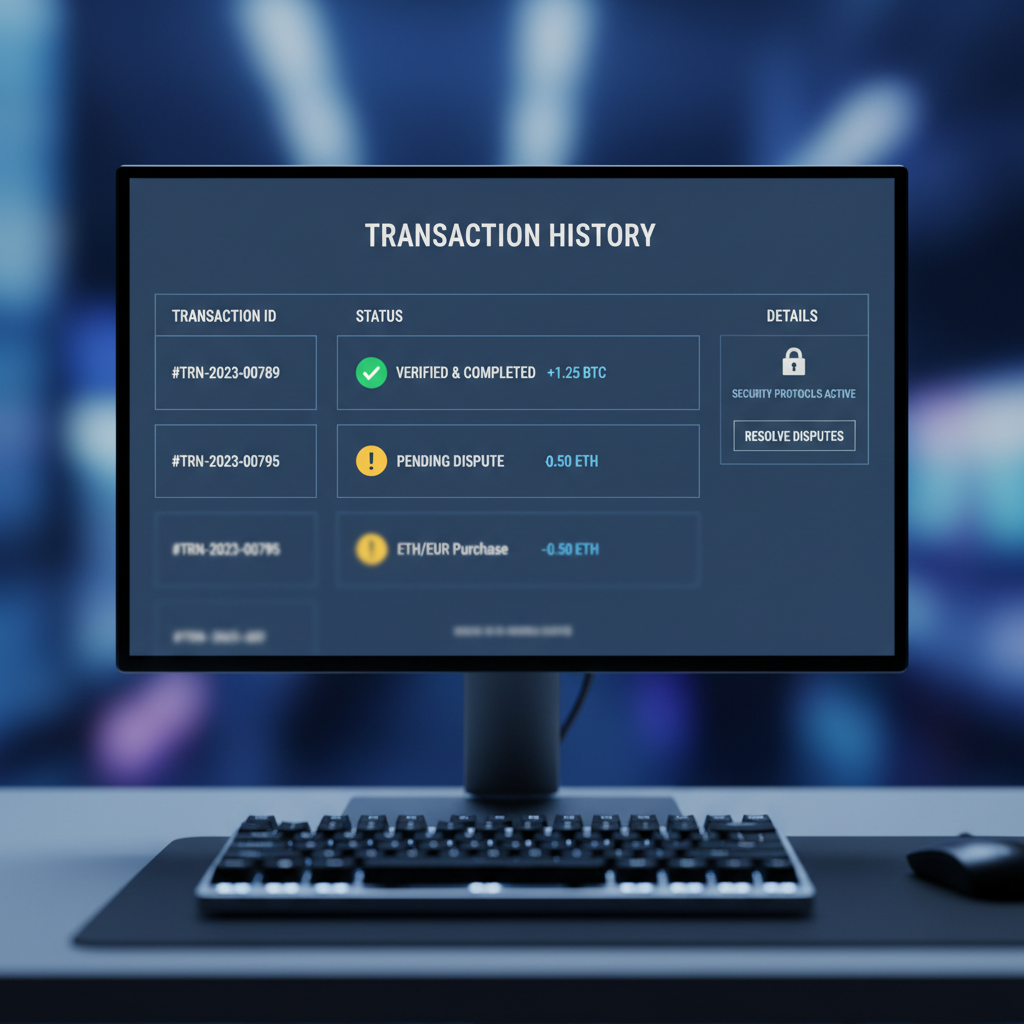
Keep an eye on your wallet activity. Regular monitoring helps you detect unauthorized transactions early. Most wallets offer notifications for transactions, so take advantage of these features to stay informed.
2. Understanding Fees
Transaction fees can vary widely depending on the network congestion and wallet type. Familiarize yourself with the fee structure of your chosen wallet to avoid unexpected costs. Consider using wallets that offer customizable fee options for better control.
3. Diversifying Storage Solutions
It's wise not to keep all your assets in a single wallet. Diversifying your storage solutions can minimize risk. Use a combination of hardware and online wallets for different purposes, like daily transactions and long-term storage.
Conclusion
Effective crypto wallet management requires vigilance and proactive measures. By avoiding common pitfalls and following best practices, you can safeguard your digital assets. Regularly review and update your strategies to adapt to new threats and technologies. Stay informed and prioritize security to enjoy the benefits of cryptocurrency with peace of mind.